
Edgecombe County Probate Authority
Probate venue in Edgecombe County is the Clerk of Superior Court acting as judge of probate. The Clerk has exclusive original jurisdiction over probate of wills and estate administration, including appointing personal representatives, auditing accountings, and removing representatives when necessary. That probate role is part of North Carolina's court structure. It means Edgecombe residents do not look for a separate county probate judge or a separate probate courthouse when a will, estate, or guardianship matter needs to be opened.
The day-to-day estate work runs through the Estates Division in the Civil Division at the Edgecombe County Courthouse. The Estates Division says its primary duties are to administer last wills and estates and appoint guardians. The same local research ties the Clerk's office to adoptions, incompetency and guardianship proceedings, condemnations, and foreclosures, but estate administration and guardianship are the probate subjects most likely to produce a file search.
The Edgecombe Estates Division page identifies the local office for wills, estates, guardianships, and appointments.
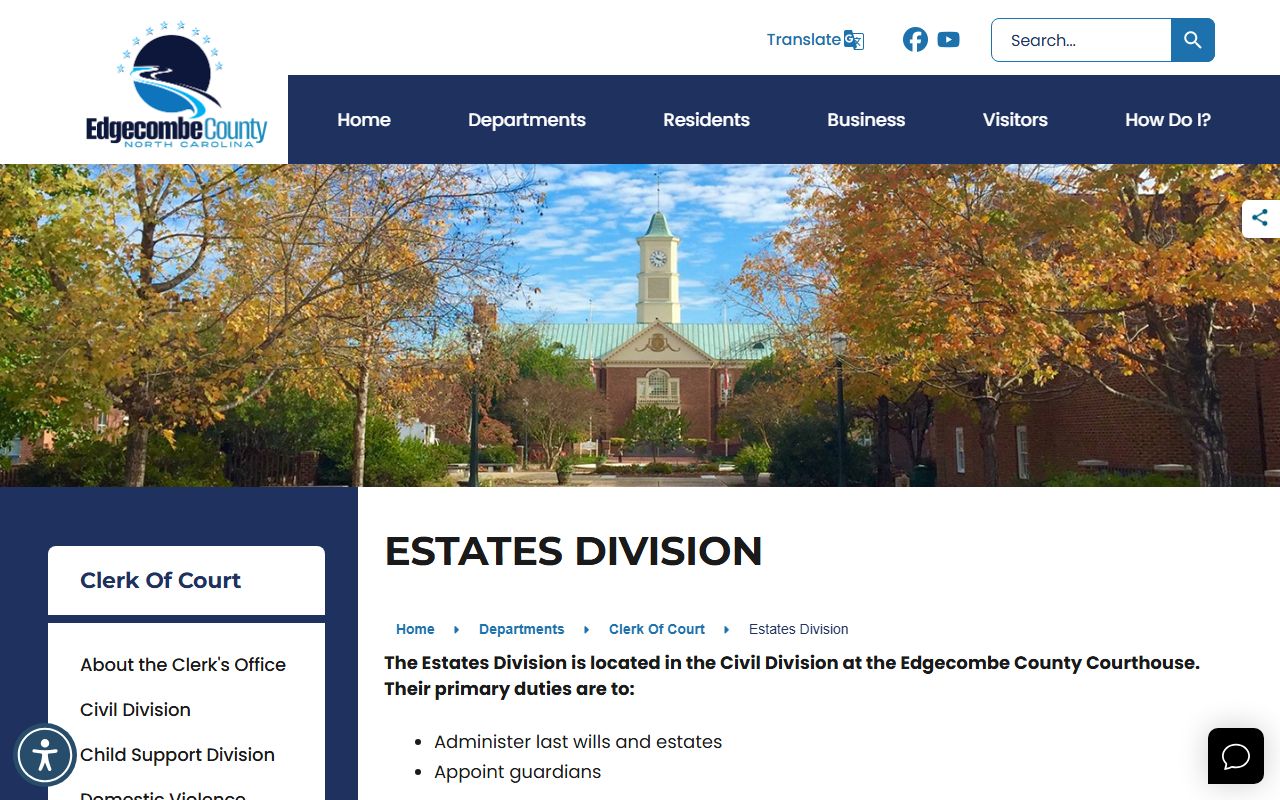
The Estates Division source is the key local proof that probate records are handled through the Clerk's civil-side estate process.
Edgecombe Estates Division Contact
Estate appointments are available through the Estates Division. The division is located in the Civil Division at the Edgecombe County Courthouse, 301 St. Andrew Street, Tarboro, NC 27886. To make an appointment, call (252) 824-3200, Ext. #3. The main courthouse page lists the courthouse at 301 St Andrews St., Tarboro, NC 27886, with main telephone (252) 824-3200 and Monday-Friday hours of 8:30 AM to 5:00 PM. The research also notes amended Clerk office hours for Tarboro and Rocky Mount beginning March 10, 2025, from 8:30 AM to 5:00 PM until further notice.
Edgecombe Estates Division
Edgecombe County Courthouse
301 St. Andrew Street
Tarboro, NC 27886
(252) 824-3200, Ext. #3
Appointments available with an Estates clerk
Clerk of Superior Court
P.O. Drawer 9
Tarboro, NC 27886
(252) 824-3200
Court files, copies, probate authority, public terminals
Call before bringing original wills, death certificates, asset lists, or guardian documents because the clerk can tell the requester which forms and appointments are needed for the specific estate type.
Edgecombe Probate Terms Defined
Probate records use short legal terms that can be hard to read without context. In Edgecombe County, those terms appear in estate files, guardianship papers, accountings, inventories, and clerk orders. The terms below do not decide eligibility or legal rights, but they help identify what a record is describing.
- Testator
- The person who made a will before death.
- Executor
- The person named in a will to carry out the will and handle estate duties after appointment.
- Intestate
- A death without a valid will, which may require administration under North Carolina estate law.
- Guardianship
- A court-supervised arrangement for a minor or an incompetent person, or for that person's estate.
- Conservatorship
- A protective financial role used in some states; in Edgecombe research, the local term captured was guardianship for minors and incompetents.
- Letters
- Clerk-issued authority, such as letters testamentary or letters of administration, showing who may act for the estate.
Search Edgecombe County Probate Records
Probate access in Edgecombe County uses more than one route. NC eCourts Portal may show searchable estate or special-proceeding case information where available. The Clerk and Estates Division remain the local custodians for paper estate files, appointments, certified copies, original will questions, and case-specific probate file access. NCAOC public-record requests are secondary for this purpose because the research states NCAOC is not the custodian of court documents or case information.
The practical order is simple: search online if a file number or party name may be indexed, then contact the Estates Division when a paper file, certified copy, original will, appointment, or current procedure question is involved. Older files or files with restricted guardianship material may not be fully available online. For related family records such as marriage certificates, use the Register of Deeds, while divorce judgments remain with the Clerk's Civil Division.
- Search the NC eCourts Portal by name, file number, or case information if the matter may be indexed.
- Call the Estates Division at (252) 824-3200, Ext. #3, for appointment needs, paper-file access, and certified-copy questions.
- Bring or identify the decedent name, date of death, county of domicile, will status, and estate number if known.
- Ask the clerk whether the file is public, partly redacted, sealed, or limited because of guardianship, medical, minor, or incompetency information.
Note: Probate records are court files, so public access can exist while specific medical, minor, or sealed details remain unavailable.
What Edgecombe Probate Records Show
An Edgecombe County probate file can start with the decedent's name, date of death, county of domicile, applicant name, will filing status, and estate number. Once administration begins, the file may show letters testamentary or letters of administration, inventory due dates, accountings, receipts, orders, notices, and creditor or publication documents. Guardianship files may identify a ward, minor, or incapacitated adult, but restricted personal and medical details may be redacted or withheld.
Estate users should separate the probate file from related non-court records. A death certificate is a vital record, real property transfers may involve the Register of Deeds, and health-care powers of attorney or living wills may point to the Secretary of State Advance Health Care Directive Registry linked by the Estates Division. Those records can support probate work, but they are not all stored in the same court file.
| Field | What It Shows |
|---|---|
| Decedent name | The person whose estate is being handled. |
| Date of death | The date used to evaluate estate timing and filing needs. |
| Estate number / file number | The clerk's search and filing number for the estate. |
| Will filing or probate status | Whether a will exists, has been offered, or has been admitted. |
| Letters issued | Authority granted to an executor or administrator. |
| Inventories and accountings | Assets, receipts, debts, distributions, and closing steps filed with the clerk. |
Edgecombe Probate Fees and Costs
Probate filing fees and estate costs are set through North Carolina court-cost publications, not by a county-written fee list in the research. The Edgecombe Financial Division sends users to AOC-hosted court-cost listings and says to confirm amounts with the appropriate Clerk division. For estate matters, use the NC Courts current court-cost publications and then call the Estates Division before filing or mailing payment. Costs may differ by estate type, filing type, copies, certifications, or special proceedings.
The NC Courts current court costs page is the source identified in the research for estates court costs and related filing costs.
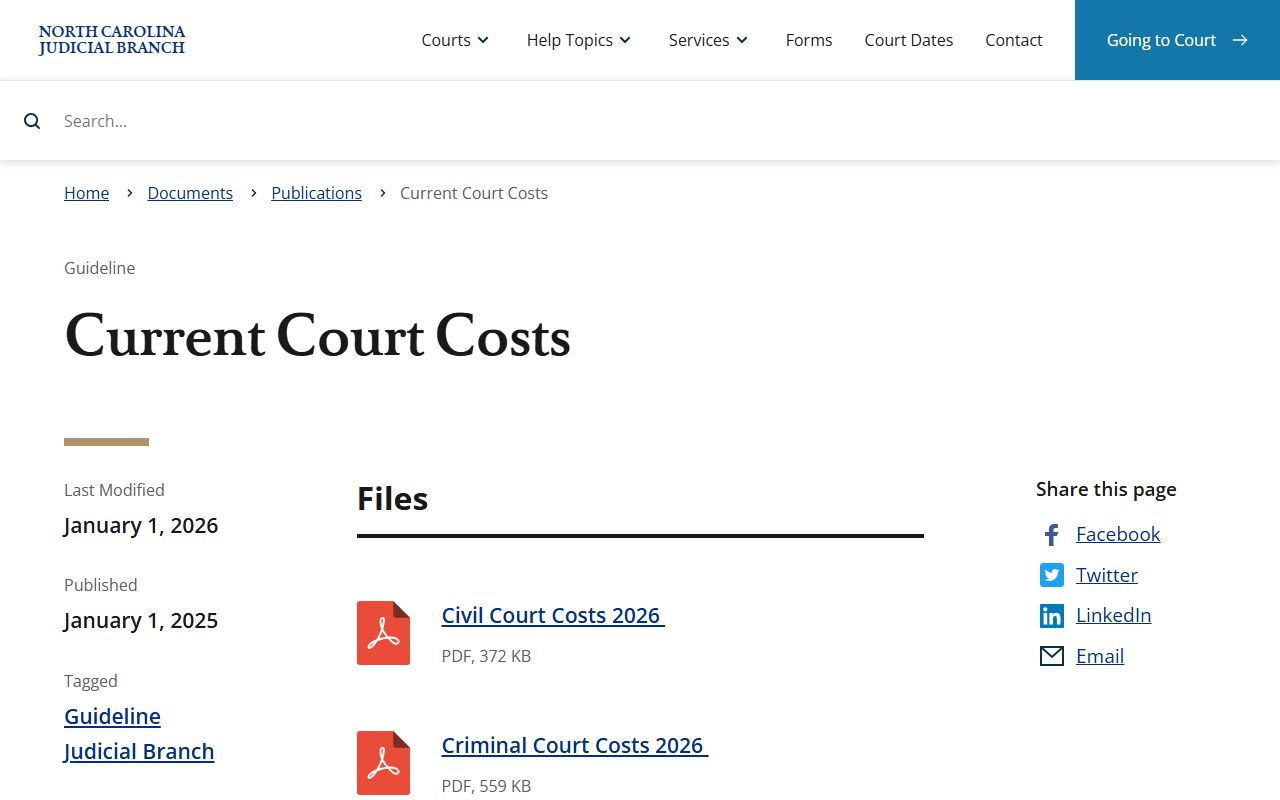
The cost publication should be paired with a local call because the Edgecombe clerk division confirms the amount due for the specific estate filing.
| Probate Cost Item | Amount / Source |
|---|---|
| Estate filing costs | See NC Courts current court-cost publications for estates court costs. |
| Guardianship or special proceeding costs | Confirm with the Clerk division before filing. |
| Copies of court records through NCAOC policy | $0.25 per page where that policy applies. |
| Extraordinary public-record requests | May cost more under G.S. 132-6.2(b). |
| Certified estate copies | Fee applies; confirm the copy and certification amount with the Estates Division. |
Edgecombe Small-Estate Caveat
North Carolina Chapter 28A Article 25 governs collection by affidavit for qualifying small estates. The research notes that where a decedent dies intestate leaving personal property not exceeding $20,000 in value, after 30 days a qualifying person may use affidavit collection. The amount can differ for surviving spouses under related provisions. That rule should not be described as "no probate" for every estate under a dollar amount because the affidavit still depends on statutory requirements and clerk procedures.
The G.S. 28A-25-1 collection by affidavit statute is the statute source captured for small-estate collection.
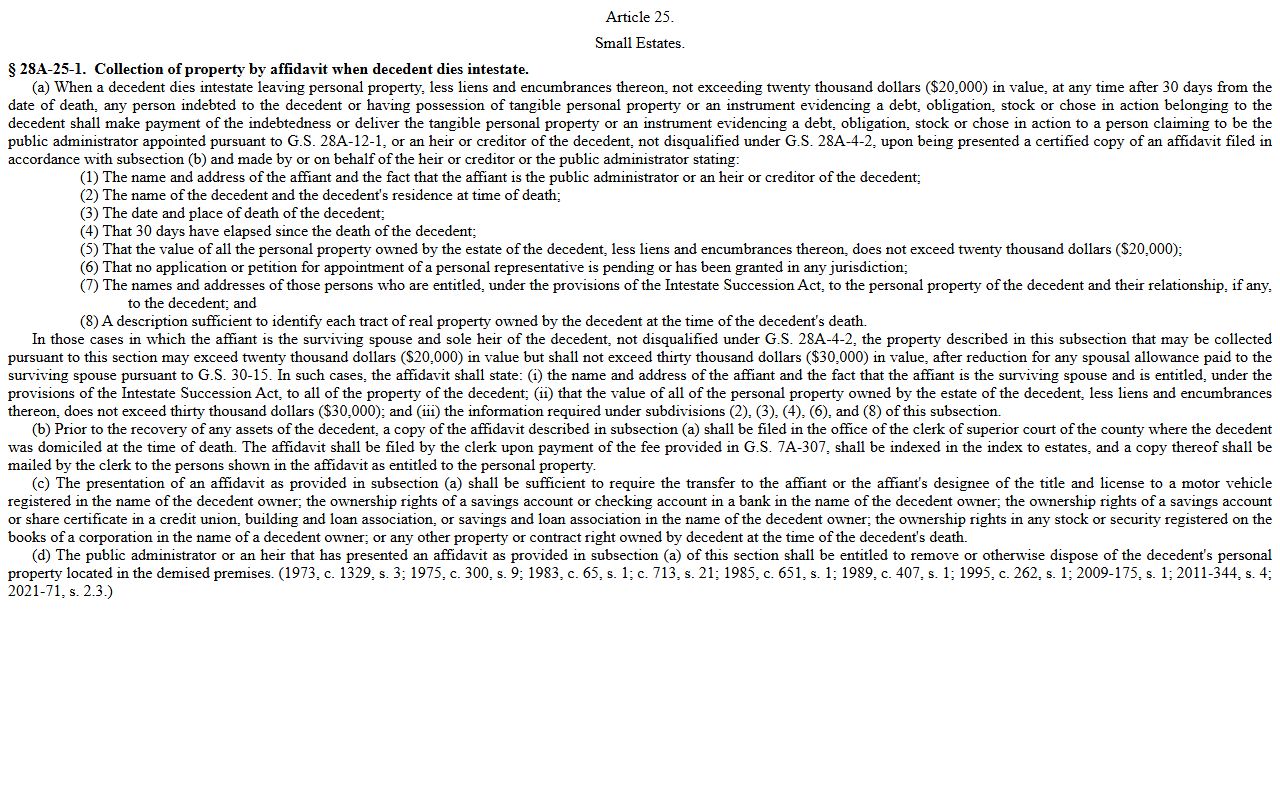
The statute image supports the caveat that a small-estate affidavit is a legal process, not an automatic shortcut around the Clerk.
Restricted Edgecombe Probate Records
Public access to probate records does not mean every page is open. Guardianships for minors or incompetents may include medical, financial, or protected personal information. Adoption records are restricted. Mental health or incompetency materials may be limited even when a docket or order exists. Sealed orders, redactions, and court rules can also limit release of parts of an estate or guardianship file.
North Carolina public-record law controls inspection and fee rules for public records, but court files still have custodian and confidentiality limits. The G.S. 132-6.2 fee provision is the source captured for copy fees and extraordinary request costs.
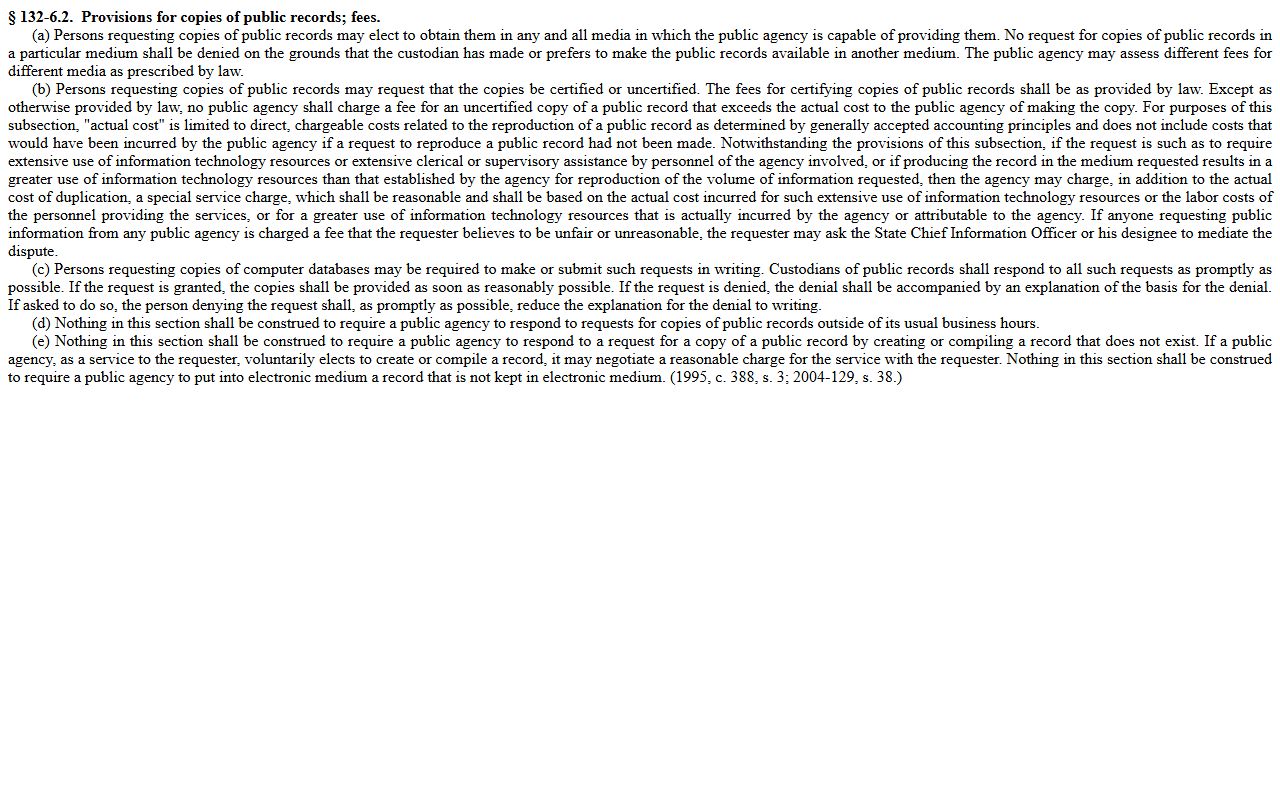
Fee law explains copy-cost authority, while the Clerk still decides what can be released from a specific probate or guardianship file.